

Glues, adhesives and sealants: biomaterials
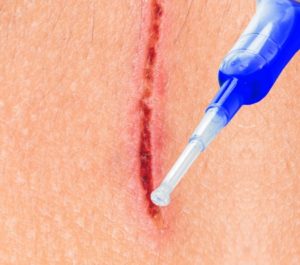
In surgical practice, it may happen that an intraoperative bleeding needs to be managed.
Routine haemostatic procedures can be different: chemical (alcohol), mechanical (compression), thermal (laser). However, sometimes these systems may not be suitable for proper haemostasis. In such cases, other highly effective methods exist.
The most advanced biomaterials today represent the answer to this issue, enabling rapid and reliable tissue repair while simultaneously stopping bleeding.
The search for natural adhesives that could mimic the physiological processes of haemostasis in case of injury has always fascinated and inspired researchers over the centuries.
The most advanced current biomaterials can be of biological origin (blood derivatives such as fibrin glues), natural (collagen, bone, skin), or synthetic (polymers of various substances with different chemical compositions and physical configurations).
Adhesives/Glues are used to join structures and tissues. The most advanced “adhesive” materials include synthetic glues and biological material; the most biologically effective glue is fibrin, the final product of blood coagulation.
Synthetic adhesives/glues are available in sterile drops or sprays and are prepared by mixing the components; the spray formulation also has a good sealing effect and, when used as needed, makes delicate surgical procedures safer, faster, and more reliable.
