

New Trends in the World of Yoga for Body and Mind Wellness
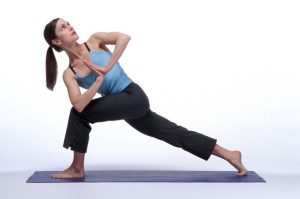
Mens sana in corpore sano: since the lockdown, yogic disciplines — especially the most innovative and up-to-date forms — have experienced a real boom, driven by the awareness that inner serenity is just as important as physical fitness. Thanks to the possibility of practising at home, often through online lessons on major social platforms, many people during the pandemic turned to yoga to stay in shape and restore emotional balance amid anxiety, uncertainty, and fear.
Among the most “trendy” styles of yoga aligned with Western practitioners stands out Forrest Yoga, created by charismatic American trainer Ana Forrest, who conducts seminars worldwide — also online — together with her Italian–Australian partner Jose Calarco. Popular on Instagram and YouTube through videos, posts and reels by its creators, Forrest Yoga became a cult also thanks to its founder’s book, Fierce Medicine: Innovative Practices to Heal the Body and Revitalize the Spirit. This yoga blends ancient Indian teachings with the wellness traditions of Native American tribes, while more recently adopting various relaxation and grounding practices typical of Australian Aboriginal culture. It is also recommended to help overcome trauma, naturally alongside appropriate medical and psychological care. Key elements of this yoga are “grounding” — contact with the Earth — and muscle relaxation, which benefits the joints and makes them more flexible.
Conscious breathing and music, even contemporary, are the foundation of another much-loved yoga style, especially among younger audiences: Jivamukti Yoga. Practised by international stars such as Sting, Kate Moss, Heidi Klum, Gwyneth Paltrow, and Uma Thurman, this discipline was developed in New York in the 1980s by David Life and Sharon Gannon, who sought to make Indian sacred texts more accessible to Western culture within a physical yoga class. In the dynamic flow of asana (poses from traditional hatha yoga), every posture has its “counterpose,” which balances the previous one. The music accompanying Jivamukti sessions can be reggae, lounge rock, pop, or even classical opera, since some sequences are more dynamic while others are softer, depending on the desired physical and energetic effects. Props such as straps or blocks can be used to assist in the exercises, and comfortable clothing is recommended (leggings and fitted tops are ideal). Eco-friendly fabrics are increasingly popular, sometimes made from recycled fishing nets, giving a second life to marine waste as sustainable yoga wear.
The beneficial effects of these new frontiers of modern yoga can be felt in many areas: lymphatic and blood circulation are stimulated, balance is improved, posture is realigned, while tension and stress are relieved — with excellent results also against mild insomnia and anxiety. It is always advisable, however, to rely on a qualified instructor and avoid improvisation with “do-it-yourself” yoga, since even seemingly simple positions — if performed incorrectly — can be harmful to the body and, consequently, to emotions.
Maria Serena Patriarca
